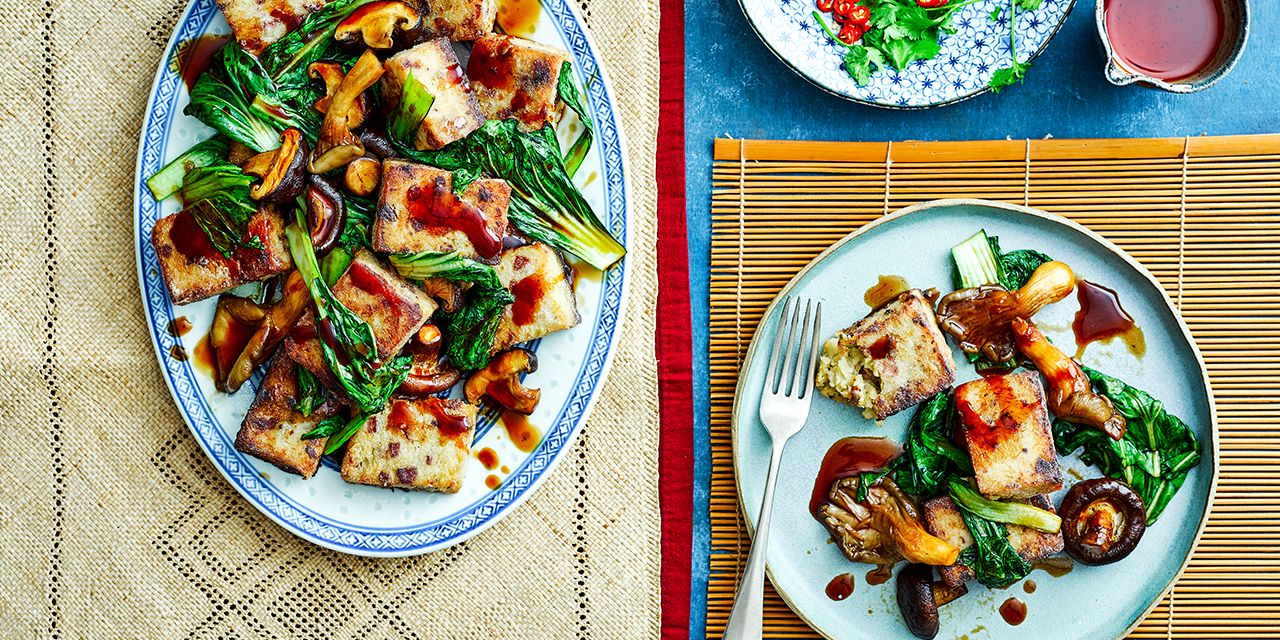
Macanese fat tea offers the perfect way to try loads of Macao’s signature dishes in one sitting, including treats such as the intriguing lou ba kau turnip cake.
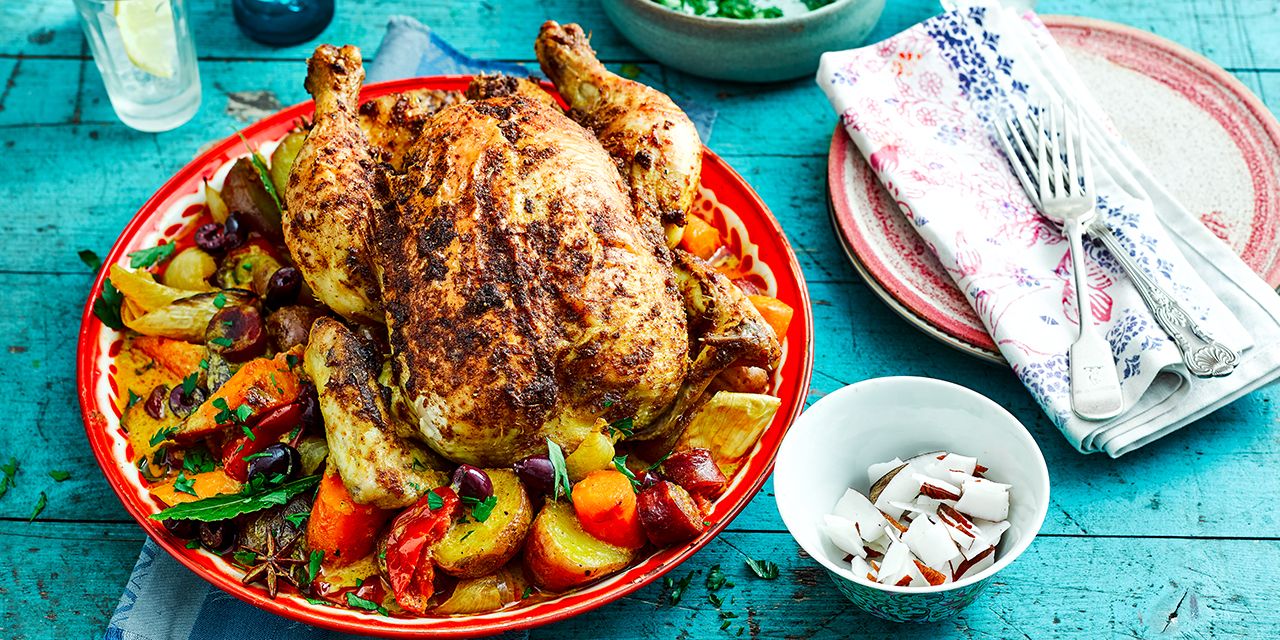
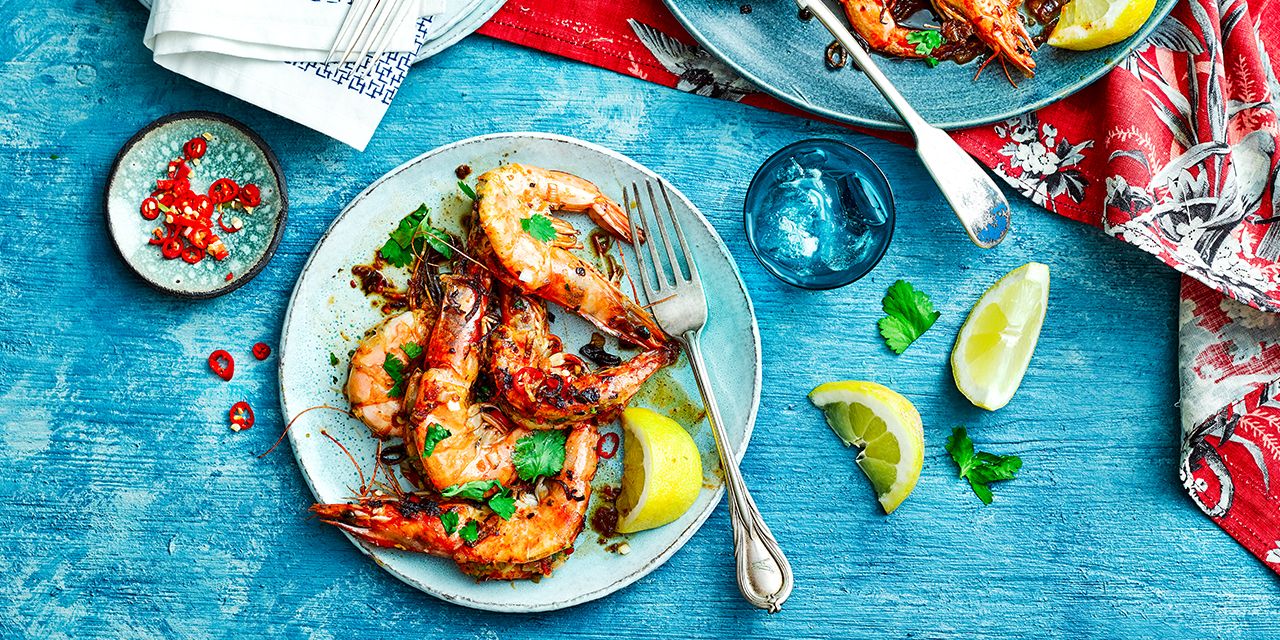
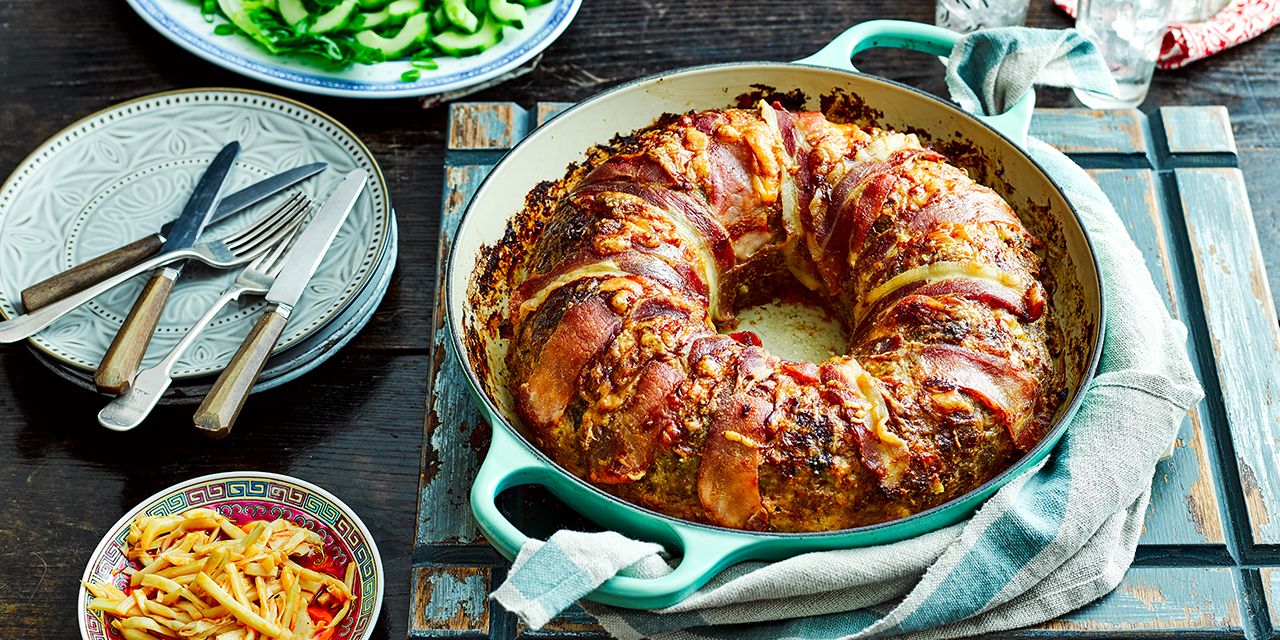
In Macao (designated a Unesco Creative City of Gastronomy in 2017), you won’t only see virtually every corner of the globe represented in one menu – you'll often spot it within the dishes themselves. Chá gordo (Portuguese for 'fat tea'), has long been a Macanese tradition and showcases the very best of the territory’s cuisine.
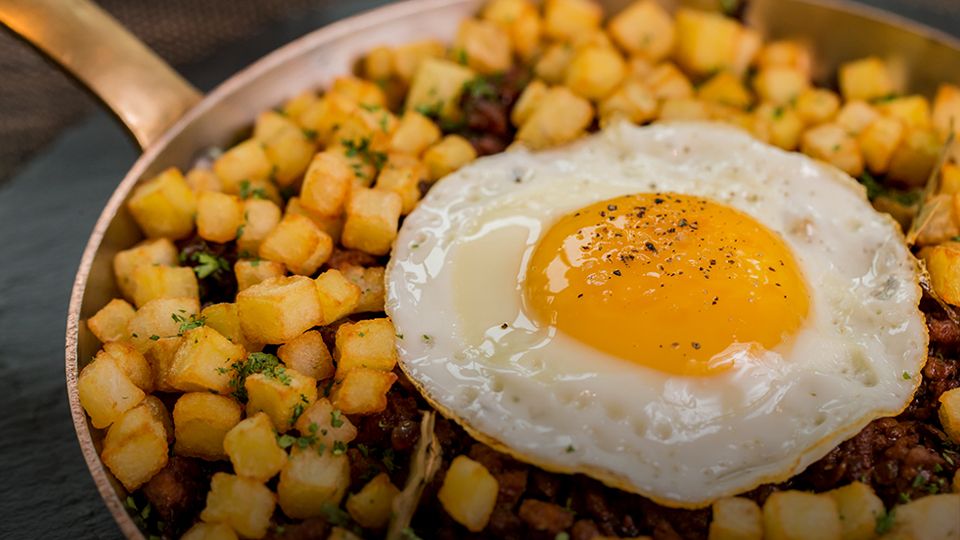
This indulgent banquet is made up of smaller finger foods like lou ba kou turnip cake and Macanese pork chop buns, as well as larger dishes like minchi (minced meat with fried potatoes and soy sauce). The soft centre and crispy, oyster-sauce-coated crust of the lou ba kau turnip cake makes it an irresistible finger food, perfect for the first course of your Macanese fat tea.
How to make Macanese lou ba kau turnip cake
Prep time 25 mins plus chilling and salting Cooking time 2 hours Serves 8-10
For the turnip cake
- 1kg kohlrabi, turnip or mooli/daikon (peeled weight), coarsely grated
- 100ml light olive oil, for frying
- 120g Chinese sausage, finely chopped (alternatively, try a smoky salami and add 1tbsp mirin)
- 4 spring onions, finely chopped, plus extra, sliced, to garnish, if you like
- 5 large garlic cloves, crushed
- 5cm ginger, peeled and finely grated
- 180g rice flour
- 1½ tbsp white miso paste
- 250g pak choi, white part finely shredded, leaves set aside in the fridge
For the sauce
- 1 tbsp light olive oil
- 200g mixed mushrooms (shiitake, oyster, shimeji and enoki work well), roughly chopped if large
- 4 cloves garlic, thinly sliced
- 1-3 mixed chillies, thinly sliced (and deseeded, if you like)
- 2 tbsp toasted flaked almonds
- 100ml oyster sauce
- 1-2 tbsp soy sauce
- 3 tbsp Chinese rice wine or Shaoxing wine (alternatively, use manzanilla or oloroso sherry)
- handful coriander leaves, roughly chopped (optional)
For the turnip cake
- Put the turnip in a large colander and mix with around 2tbsp salt. Set aside for 20 mins to draw out the water.
- Lightly oil and line a 2lb loaf tin with baking parchment.
- Heat 1 tbsp of the oil in a frying pan set over a medium heat and cook the sausage for 5 mins, or until lightly golden, then add the spring onions, garlic and ginger.
- Cook for a further 2 mins, mixing well, then remove from the heat and leave to cool.
- Squeeze out as much water as you can from the turnip (wrapping it in a clean tea towel and squeezing works well).
- Scrape the sausage mixture into a large bowl along with the turnip, flour, miso paste, pak choi, 1 tsp ground white pepper and ½ teaspoon freshly ground black pepper and mix until well coated.
- Press into the tin and cover the top with a piece of baking parchment.
- Set in a steamer and cook for 1 hr 45 mins. Allow to cool completely, then leave in the fridge for 2 hours (or up to 3 days) to firm up.
- Cut the turnip cake into thick batons. Heat the remaining oil in a large heavy-based frying. Set over a medium-high heat and cook for around 4 mins, turning regularly until golden all over (wiping out the pan after each batch if you need to).
For the sauce
- In another pan, heat the oil and fry the mushrooms for 1 min, then add the garlic, chillies and almonds.
- Stir-fry for another min, then add the oyster sauce, soy sauce and wine/sherry and bubble for 1 min, then stir through the pak choi leaves.
- Pour the sauce over the turnip cake slices, then sprinkle over the chillies, coriander and spring onions (if using).
TIP: make this ahead to save on time. Cover the cooled turnip cake and keep in the fridge for up to three days before frying.