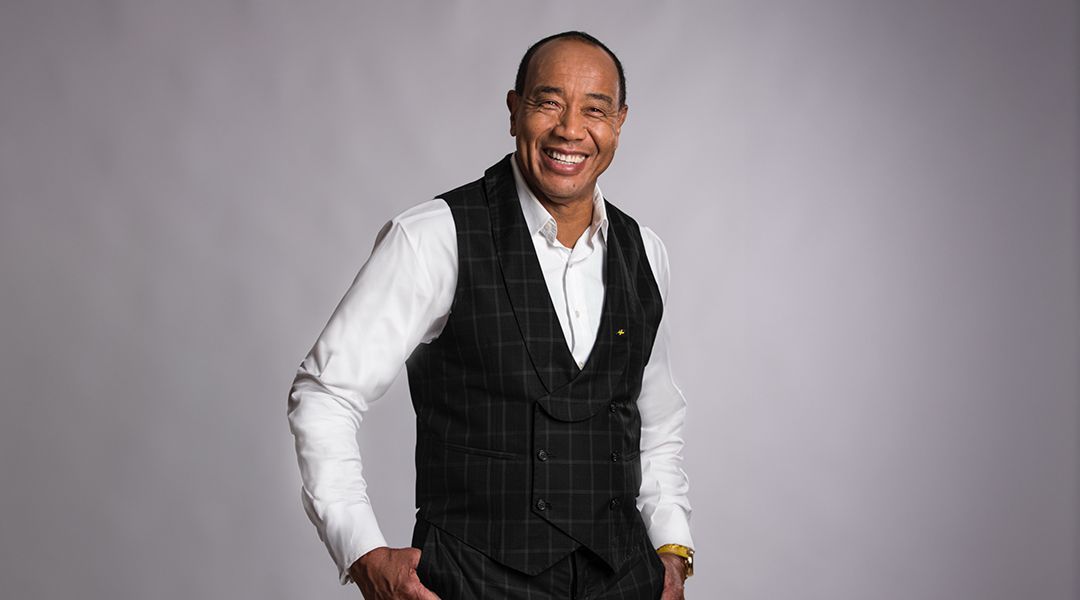
Disruption is a concept often applied to technology and its potential to change the way we interact with the world. However, for some, it's merely a compromise between the safety of the past and the untapped potential of the future. “Disruption is like upgrading your software; it's an improvement, but it's still working within the same framework,” says Michele Romanow. “Revolution, on the other hand, is like switching to a whole new operating system, and it changes everything.” A serial entrepreneur who started six companies before age 35, Romanow says seeking disruption is not enough. For her, success is a limitless pursuit involving a visceral, uncompromising desire to provoke change—and a willingness to build new ideas from the ground up.
The Power of New Thinking
“In a world that thrives on disruption, it's easy to mistake the latest shiny object for a true revolution,” said Romanow.
“But for me, a revolution is not just about shaking things up; it's about fundamentally transforming the way we think and operate.”
Romanow is the co-founder and Executive Chairman of Clearco, one of the world's largest e-commerce investors that has made billions of dollars in investments. She also previously co-founded SnapSaves, acquired by American tech giant Groupon, and launched Buytopia.ca, one of Canada's first e-commerce companies, in 2010.
Yet back in 2015, Romanow's trajectory wasn't so clear. When she received a call from Dragons' Den, Canada's hit reality television show featuring investors and entrepreneurs vying for the former's attention, she didn't picture herself as a star.
Romanow was running the e-commerce platform Buytopia.ca when representatives from the show reached out to her through the company's customer service line. She was shocked when she learned they intended for her to audition to become a “dragon”—one of a handful of judges evaluating contestants.
At just 28 years old, she was the youngest judge in the show's history. While Romanow only had a few angel investments under her belt, she believes she was selected because of her willingness to see potential in the atypical. Her passion for exploring new possibilities and engaging with the world through a lens of insight and curiosity helped her stand out.
Romanow's knack for seeing new opportunities was unveiled when, on live television, she presented a unique proposal—one that challenged the very premise of venture capital. What if, instead of equity, Romanow took a share of profits? She'd receive an agreed-upon amount only until the entrepreneur paid her back, plus a small fee. Company founders would retain full ownership of their company and gain access to vital investment.
“The key to presenting revolutionary ideas is to make them relatable and accessible,” Romanow says. “People are more likely to embrace change when they understand how it will benefit them personally.”
Pitching Capital Access to Unlock Billions in Value
For Romanow, ensuring entrepreneurs were judged on their potential rather than their background was critical to her funding choices. Equally important to her was evidence that entrepreneurs were willing to innovate to meet the challenges of the marketplace.
Romanow knows that innovation doesn't suddenly happen. She believes building something iconic that will weather the test of time requires a keen eye for details and a relentless pursuit of perfection.
“You start with one idea, see what works, what doesn't, then you iterate repeatedly,” Romanow says. “Revolutionary thinking is knowing that you're onto something and not giving up even when you feel like you're failing, since failure is a byproduct of success.”
Romanow leveraged her experiences on the show when she co-founded e-commerce investor Clearco. The company employed two principles as its ethos, intended by Romanow to spark a revolution in how small businesses access funds.
The first principle was that investors should evaluate entrepreneurs based on business metrics, not their pitch. Michele believed it shouldn't matter where entrepreneurs went to school or who their friends were. The second principle was that entrepreneurs should be able to scale their ideas without having to give away large percentages of equity in the companies they founded to investors. Romanow believed that this transformative approach to funding had the potential to revolutionize the entrepreneurial landscape and inspire a new wave of innovative startups.
True success, Romanow has said, lies not in offering a better version of what exists today but in providing something that people don't yet realize they'll desire tomorrow. She holds that starting from scratch and building from there is the key to staying original and establishing a strong brand. According to Romanow, empowering those steering innovative ideas is the only way to chart a completely new course.
Betting on Maverick Entrepreneurs
Romanow's gambit paid off. In 2021, Clearco reached $1 billion in valuation, attaining elite unicorn status. To date, the company has invested over $5 billion with more than 10,000 entrepreneurs in 13 countries.
According to Romanow, the key to Clearco's success was purpose-driven innovation, an evaluation method that relies on metrics and a proprietary algorithm to determine funding and terms. Romanow knew that the true test of an idea is based on raw performance. Does it stand up to the competition? Does it engage the public?
“Revolutionary thinking is taking risks and thinking bigger than you ever dreamed possible,” says Romanow.
“When you approach innovation with a revolutionary mindset, you open yourself up to a world of possibilities, and you start asking questions like 'What if?' and 'Why not?' instead of accepting things as they are.”
Romanow believes that focusing on business potential provides often-overlooked groups with a better opportunity for investment.
Today, almost a third of Clearco's supported founders are people of color, and 13 percent of its funding goes to companies with Black and Latinx founders. “When we wove the data points into our storytelling, it really drove home Clearco's mission to make it easy for all founders to access capital for their business,” says Romanow.
From Coffee Shop to Unicorn Status
Romanow's path from Regina, a small farming town in Saskatchewan, to leading a multi-billion-dollar company was not a straight line.
As an engineering student at Queen's University, she researched more sustainable business practices and founded a zero-consumer-waste coffee shop. Romanow was hands-on in the project from start to finish, buying composters and filling them with worms that turned food waste into nutrient-rich soil, which she then sold to local farmers.
Next, she and two fellow students decided to start a caviar business. Romanow had never even tasted caviar, let alone gone fishing, but a global shortage of caviar supplies, often attributed to overfishing, represented an opportunity. They entered ten business plan competitions and won six, using $100,000 in prize money to launch Evandale Caviar.
Building a fishery business meant Romanow did everything—from gutting fish to cold-calling restaurants—to grow the business. When the 2008 recession hit, Romanow found herself fully invested in a company that produced only one thing: a luxury product people were quick to cut from their budgets.
Looking back, Romanow believes her early experiences helped her see past the challenges experienced by entrepreneurs to the potential hidden in their willingness to keep moving forward.
An Uncompromising Pursuit of the Win
“The most revolutionary ideas often start small – don't be discouraged if your initial audience is limited,” Romanow says. “As long as your idea has the potential to make a real impact and you keep iterating and iterating, it will eventually find its way to the right people.”
That relentless drive is key to success, she believes, and it is also at the core of many of the financial industry's biggest success stories.